
Cats and succulents can share a home, but you do have to be picky. Some of the most common succulents sold as easy houseplants, including jade plant and snake plant, are not good choices for cat homes.
The good news is that there are attractive, low-fuss options that are much safer. The main thing to remember is simple: even a non-toxic plant should not become a regular snack, because too much chewing can still upset a cat’s stomach.
What makes a succulent a better choice when you have cats
A better succulent for a cat home is one that is non-toxic, easy to place out of reach, and simple to keep healthy indoors. That last part matters more than people think. A stressed plant drops leaves, tips over more easily, and gets noticed by curious cats.
“Pet-safe” also does not mean “cat-proof.” A cat can still shred a harmless plant, scatter soil across the floor, or throw up after eating too much of it. Plant choice helps, but placement and setup matter just as much.
How to read pet-safety labels without getting confused
Plant labels are often vague. Some say “pet friendly,” some say nothing at all, and some use common names that cover several different plants. That is where people get tripped up.
I always suggest checking one more source before buying. A simple pet-safe succulent list can help you confirm the name and avoid toxic lookalikes. Current ASPCA-based lists still commonly include haworthia, echeveria, sempervivum, and Christmas cactus as non-toxic choices for cats.
Non-toxic does not mean edible. It only means the plant is not expected to cause serious poisoning.
Why placement matters even with safer plants
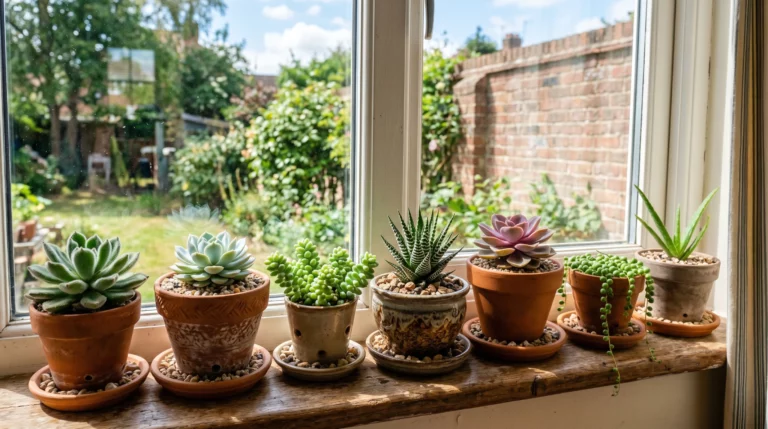
Safer plants still do better on a shelf, bright windowsill, or hanging planter. This protects the cat and the plant at the same time.
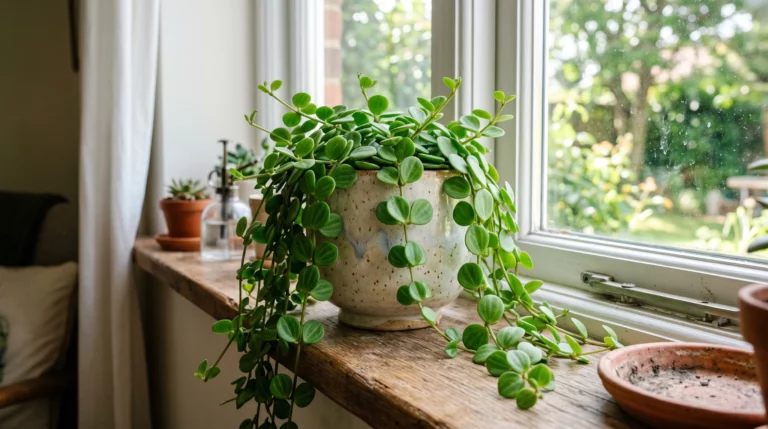
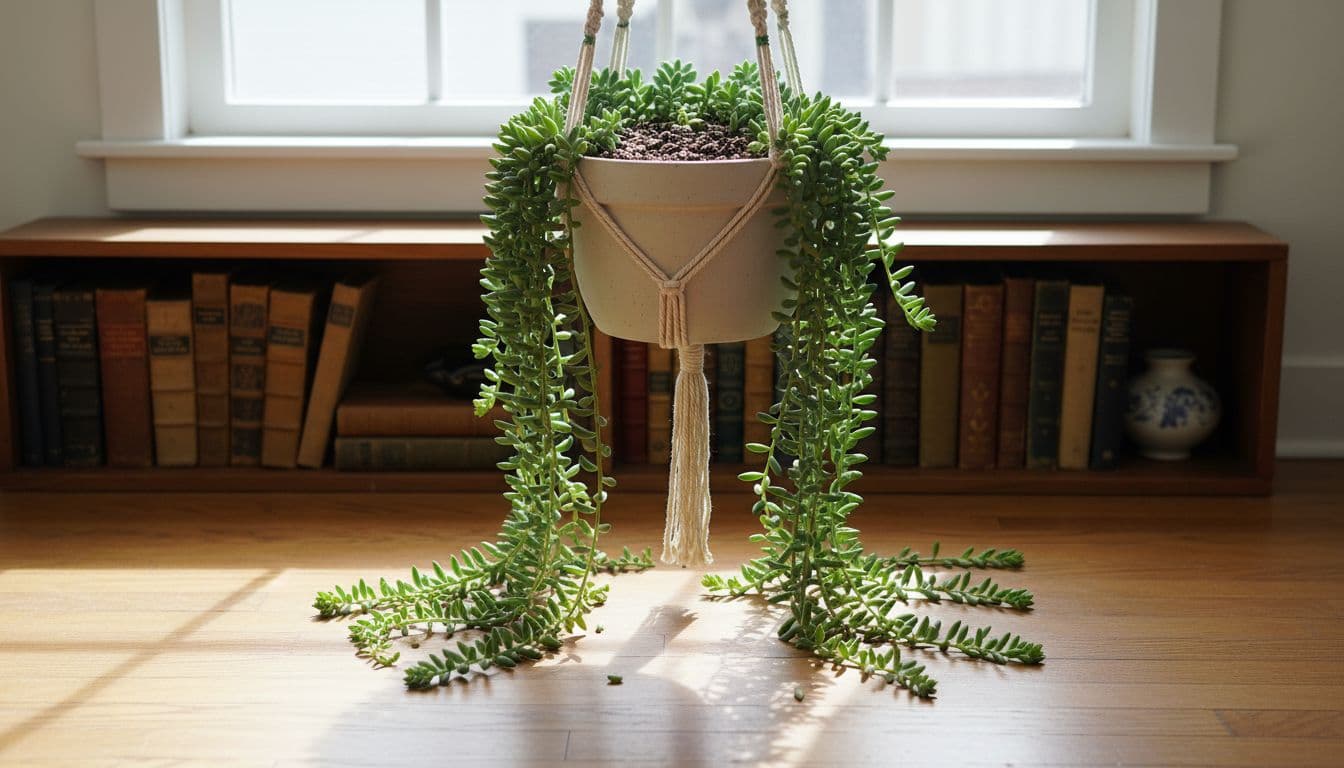
Burro’s Tail is a good example. It is non-toxic, but the leaves fall off with the lightest bump. A cat batting at it can strip a stem in a day. Keeping it up high is often the difference between a nice trailing plant and a pile of beads on the floor.
The best cat-safe succulents to grow indoors
These are the ones I come back to most often for indoor growing.
| Plant | Look | Light | Why it works |
|---|---|---|---|
| Zebra Haworthia | striped rosette | bright indirect | compact, forgiving |
| Echeveria | neat rosette | very bright | classic succulent look |
| Hens and Chicks | clustered rosettes | bright sun | easy offsets |
| Burro’s Tail | trailing stems | bright light | great hanging plant |
| Holiday Cactus | arching segments | bright indirect | easy indoor bloomer |
| Gasteria | thick strap leaves | lower light | sturdy and slow-growing |
| Ponytail Palm | fountain-like leaves | bright light | strong statement plant |
| Elephant Bush | small round leaves | bright light | woody, tidy shape |
| Sedum morganianum | trailing blue-green | bright light | soft texture |
| Graptopetalum | silvery rosette | bright sun | easy, compact growth |
Best picks for bright windows and sunny spots
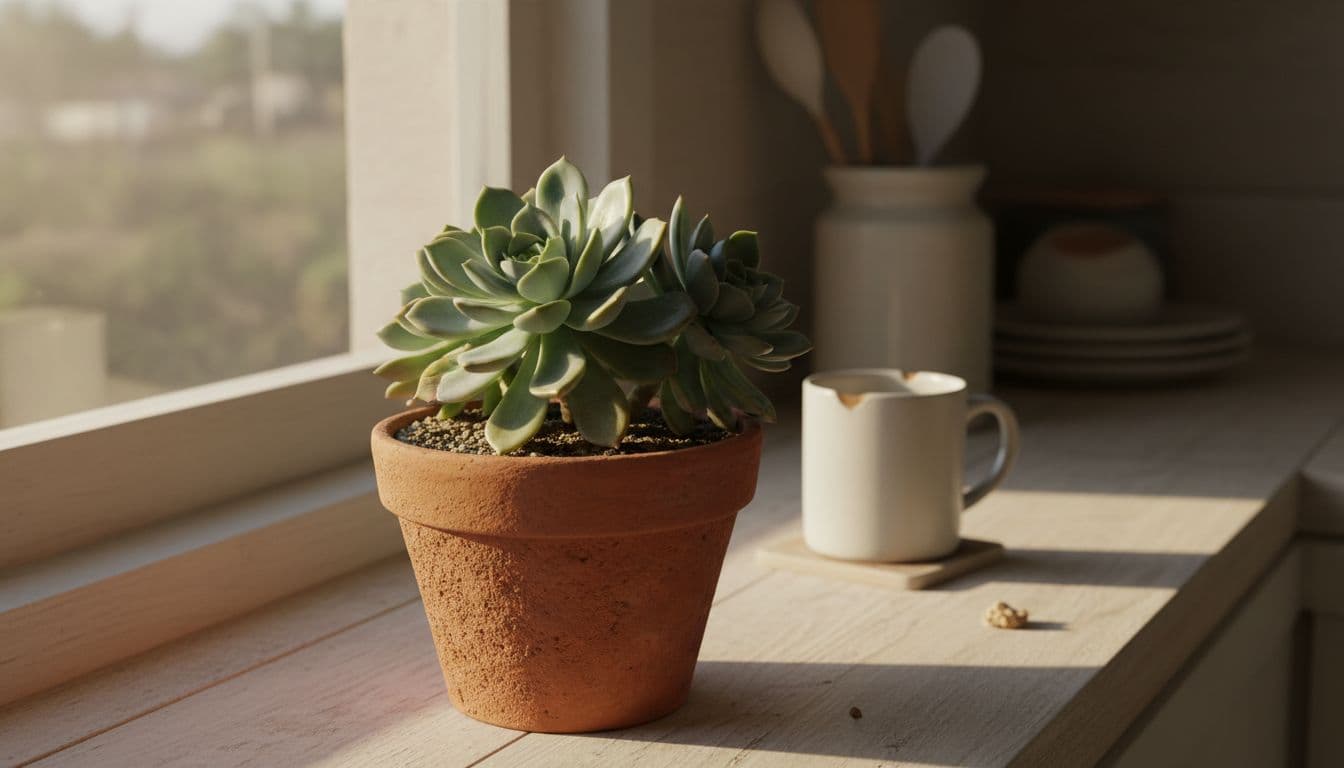
Echeveria, hens and chicks, ghost plant, and many sedum types do best in the brightest part of the room. If you have a sunny south or east window, these are the plants that usually stay compact and colorful.
They also follow the classic succulent pattern: give them lots of light, then let the soil dry fully before watering again. Without enough light, they stretch, flatten, and lose their shape.
Best picks for lower light and easier indoor care
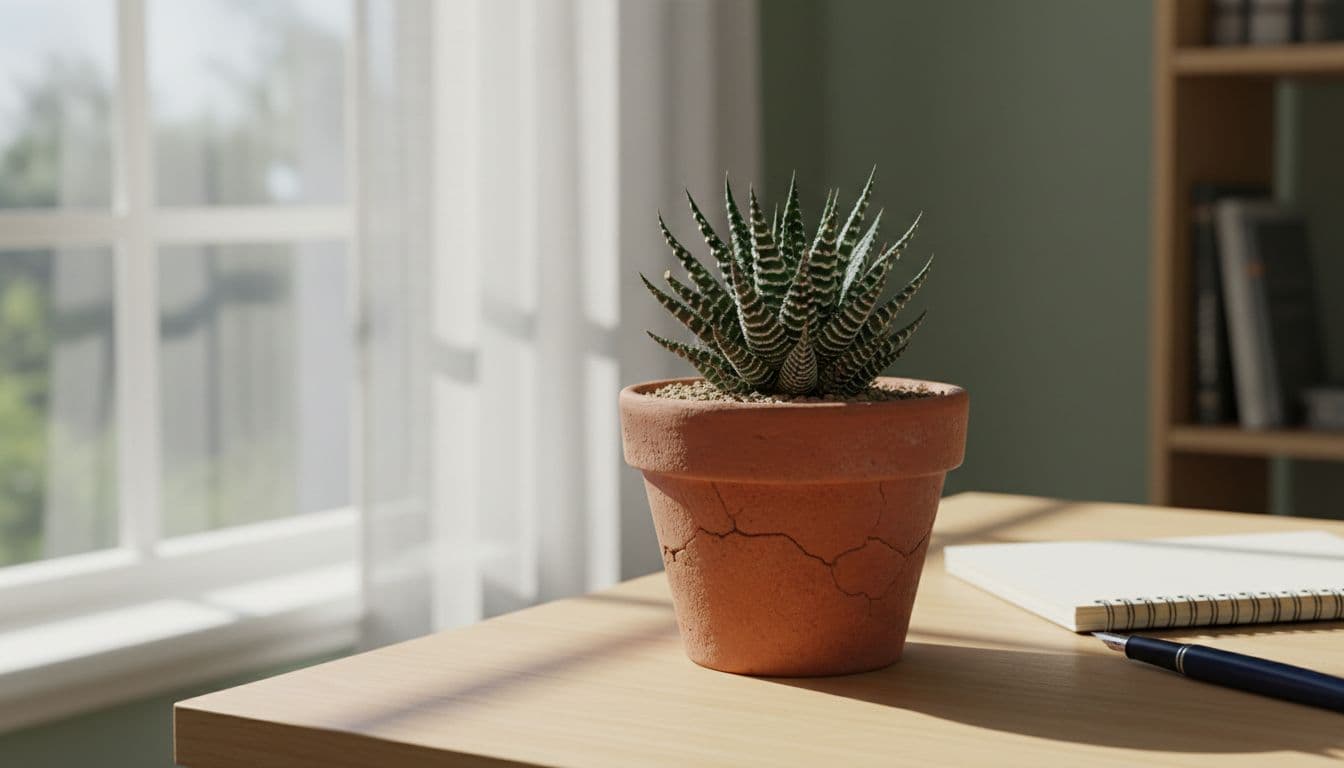
Zebra Haworthia, Gasteria, holiday cactus, and ponytail palm are more forgiving indoors. They still want bright light, but they handle bright indirect light much better than sun-hungry rosette types.
That makes them useful for apartments, desks, and rooms where direct sun is limited. Zebra Haworthia is one of the safest beginner choices because it stays small, grows slowly, and usually handles a missed watering without fuss.
Trailing and statement plants that still work in cat homes
Burro’s Tail and Elephant Bush bring a different shape to the room. One trails, the other grows into a small shrubby form. Both can work well in cat homes when you use height to your advantage.
Trailing plants are especially useful because you can hang them near a bright window and keep them away from paws. Ponytail palm also fits here, even though it is not a true palm. It gives you that larger plant look without moving into toxic territory.
How to keep indoor succulents healthy when cats are part of the house
A healthy succulent is easier to live with. It keeps its shape, drops fewer leaves, and is less likely to end up in a cycle of rot and rescue.
Give them the right light without baking the leaves
Most indoor succulents need bright light near a window. Some want a few hours of gentle direct sun, while haworthia, gasteria, and holiday cactus usually prefer filtered light. If a plant starts stretching or getting floppy, it needs more light, not more water. A quick guide to succulent sunlight needs indoors helps with placement.
Use fast-draining soil and pots with drainage holes
Wet roots cause most indoor succulent problems. Use a gritty cactus mix or a fast-draining soil for succulents so the pot does not stay damp for days. Drainage holes matter more than a decorative container.
Water deeply, then wait for the soil to dry
This is the part most people overdo. Water thoroughly, let excess water run out, and do not water again until the soil is dry. The timing changes with season, light, and room temperature, so fixed schedules usually fail. If you need a baseline, this simple guide on how often to water succulents keeps it practical.
A few common mistakes cat owners should avoid
The biggest mistake is buying by looks alone. A jade plant can resemble safer compact succulents at a quick glance, and that mix-up matters.
Another common problem is putting a plant where a cat can knock it over, then blaming the cat. Heavy soil, pots without drainage, and low shelves all make trouble more likely.
Chewing is still worth watching, even with safe plants. A few bites may do nothing. A full snack can still lead to drooling, vomiting, or a mess on the rug.
Final thoughts
You do not have to choose between a cat-friendly home and a good-looking succulent collection. You only need better plant choices and a setup that makes sense.
Stick with non-toxic succulents, give them bright light, use fast-draining soil, and keep them out of reach when you can. The best setup is the one that stays safe for your cat and simple for you to maintain.
This post may contain affiliate links. If you make a purchase through these links, I may earn a small commission at no extra cost to you.