
If you’re new to succulents, here’s the simple truth: you will do better with forgiving plants than fussy ones. The prettiest rosette at the garden center isn’t always the one that wants to live on your shelf.
A good beginner succulent can handle a missed watering, slower growth, and normal indoor conditions without falling apart. Most problems come from the same three things, overwatering, weak light, and soil that stays wet too long.
Start with plants that bend a little instead of plants that demand perfection. That’s where things get easier.
What to look for in beginner-friendly succulents
The best succulent plants for beginners usually have one thing in common: they don’t punish small mistakes right away. That’s a big deal when you’re still learning how dry “fully dry” should feel, or how much light your window really gives.
You want a plant with thick leaves or sturdy stems, because those store water and buy you time. Slow growers also help. They don’t change overnight, so you have more room to notice trouble before it gets serious.
Choose plants that can handle missed waterings and average indoor light
Some succulents are far more flexible than others. Haworthia, snake plant, jade, and many aloe types can stay healthy in bright indirect light, and they won’t collapse if you forget to water for a while.
That doesn’t mean they like dark corners. It means they adapt better than sun-hungry rosettes. If you’re unsure about placement, it helps to understand best window light for succulents before you buy.
Skip plants that rot fast, stretch easily, or need perfect conditions
This is where beginners get tripped up. A lot of classic rosette succulents look easy, but some stretch fast in weak light and rot fast in heavy soil.
If your home is dim, don’t start with the fussiest plant on the table. That’s not a skill issue. It’s a setup issue.
Beginner succulents that are easy to keep alive
The easiest starter plants are the ones that stay calm indoors. They don’t need babysitting, and they usually tell you when something’s wrong.
Haworthia and snake plant, the easiest picks for lower-light rooms
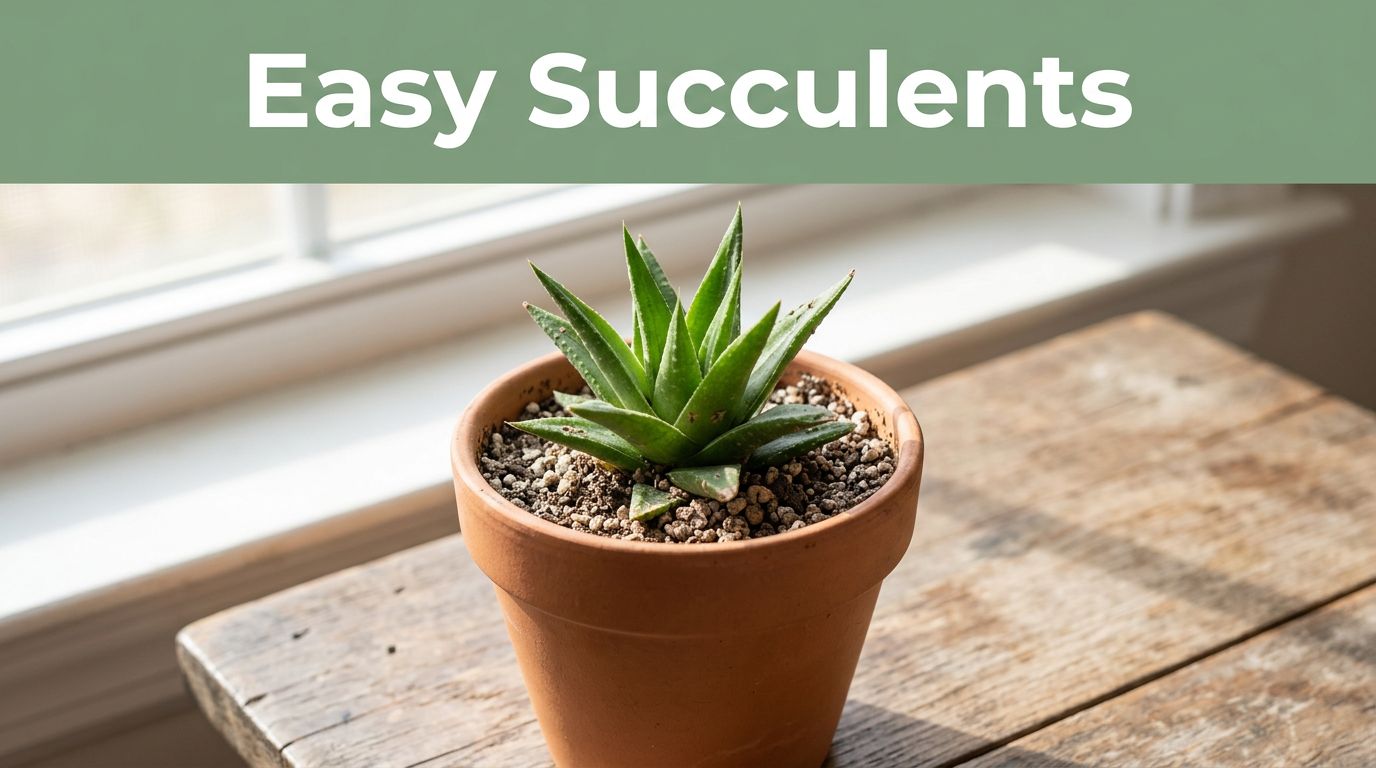
Haworthia is one of my favorite first succulents. It stays compact, looks neat, and handles bright indirect light well. Zebra haworthia is especially good for beginners because its leaves stay firm and attractive without needing a blazing window.
Snake plant is even more forgiving. It tolerates a wider light range and can go a long time between waterings. If you want something that survives a little neglect, this is it.
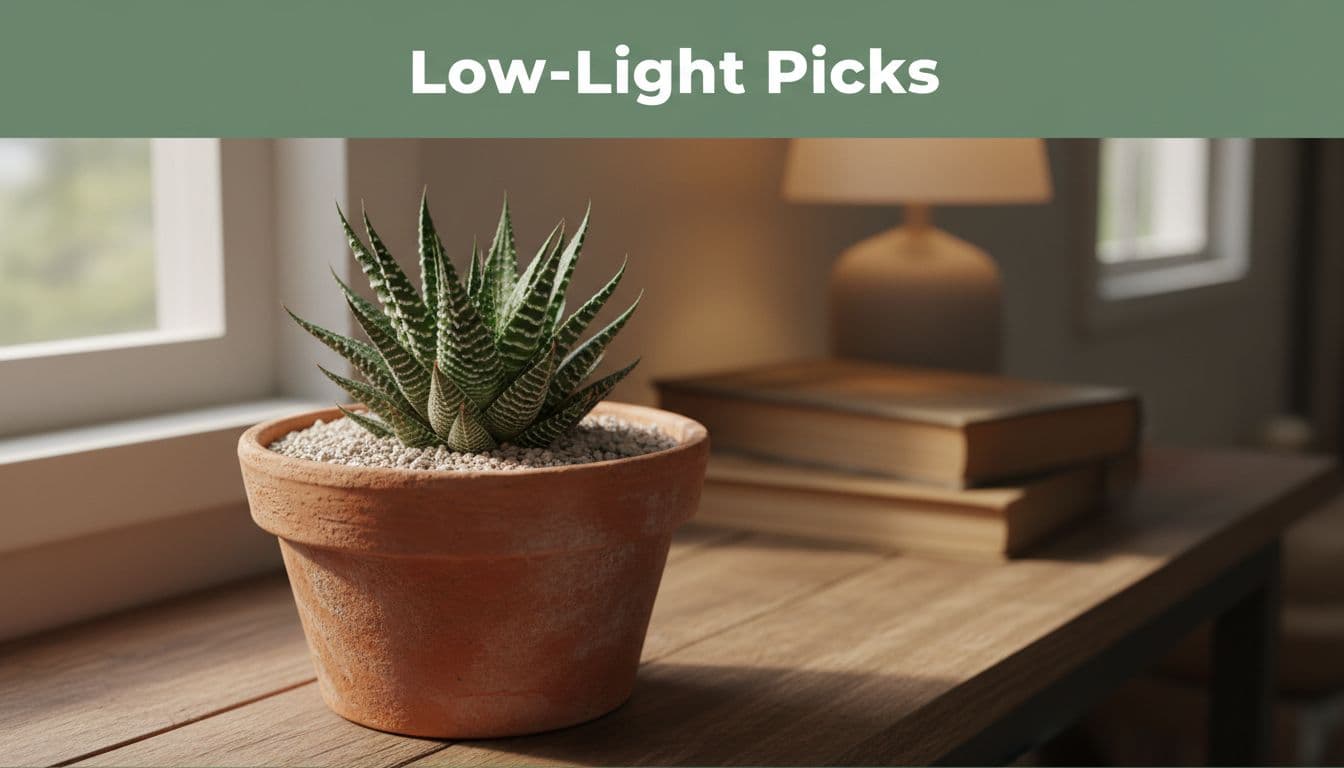
The common mistake? People hear “low light” and think “no light.” That’s where trouble starts. Both plants still need decent light to stay healthy. Haworthia may flatten or dull out in a dark room. Snake plant can survive there, but it won’t grow well.
Jade plant and aloe vera, great choices if you have a bright window
If you’ve got a sunny east, south, or bright west window, jade plant and aloe vera are solid choices. Jade is sturdy, tree-like, and easy to read. Its leaves should feel firm and full. When they’re soft or dropping, too much water is usually the problem.
Aloe vera is another beginner classic for good reason. It grows well indoors, stores plenty of water, and gives clear signals. Healthy leaves look plump. Overwatered leaves start turning mushy or translucent near the base.
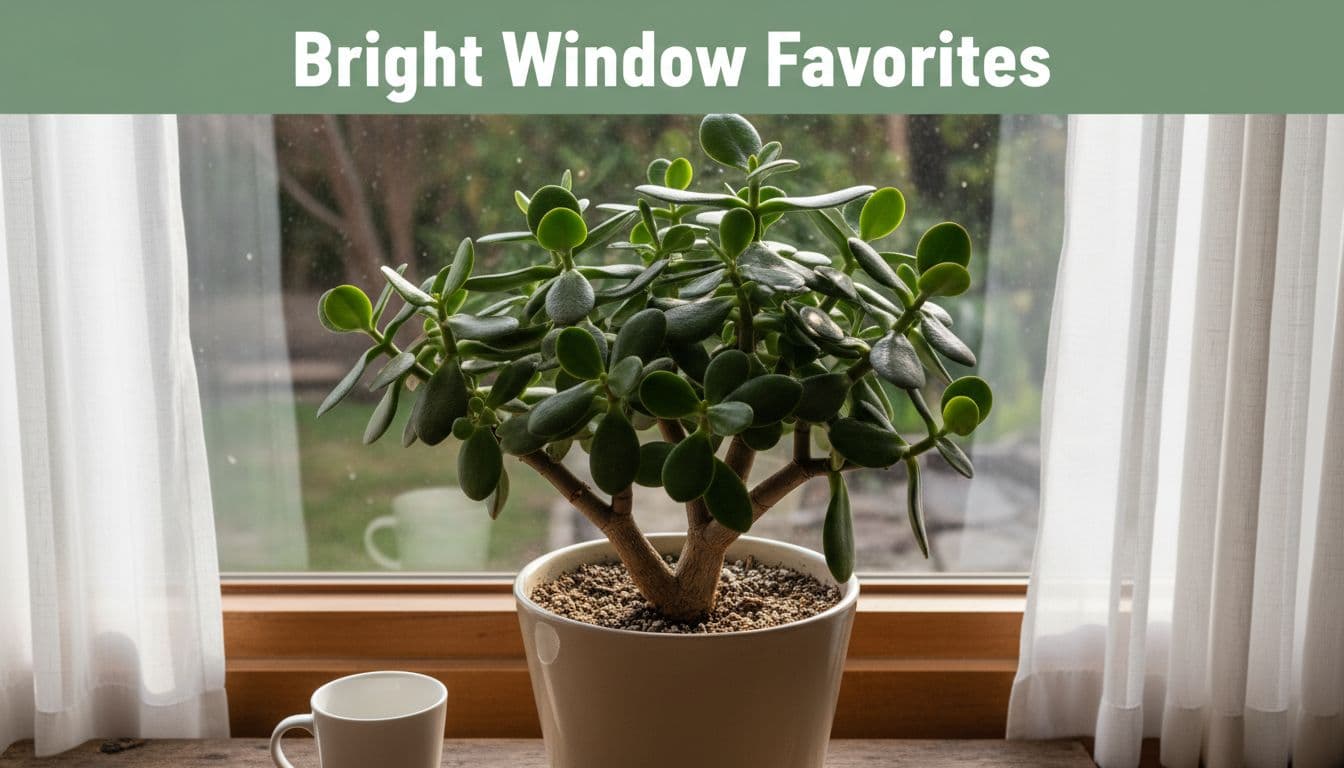
Weak light causes a different problem. Both plants can stretch, lean, and lose that compact shape. If your jade starts getting leggy, or your aloe looks pale and floppy, the light likely isn’t strong enough.
Echeveria, hen and chicks, and sedum if you want that classic succulent look
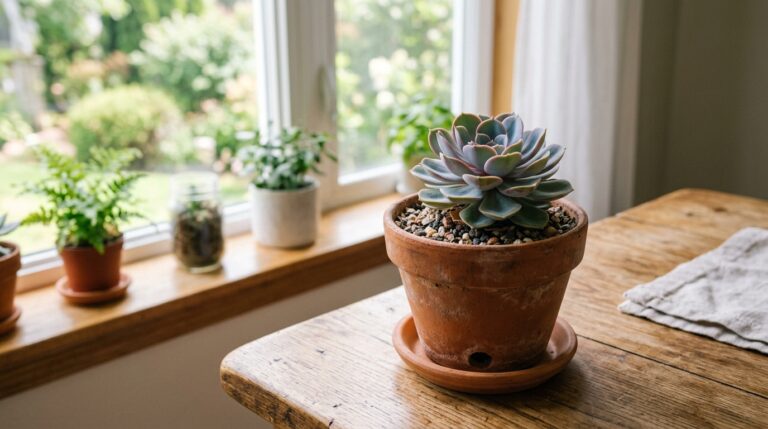
Want the classic rosette look? You can still have it. You just need to be honest about light. Echeveria, hen and chicks, and many sedums are beginner-possible, but they’re not as flexible as haworthia or snake plant.
Echeveria is the one people fall for first, and I get it. It looks like the picture in your head when you think “succulent.” But indoors, it usually wants the brightest spot you have. Without enough sun, it stretches fast and loses its shape.
Hen and chicks are fun because they produce offsets, the “chicks,” around the main rosette. Sedum is also a good option if you want something a little more relaxed and fast-growing.
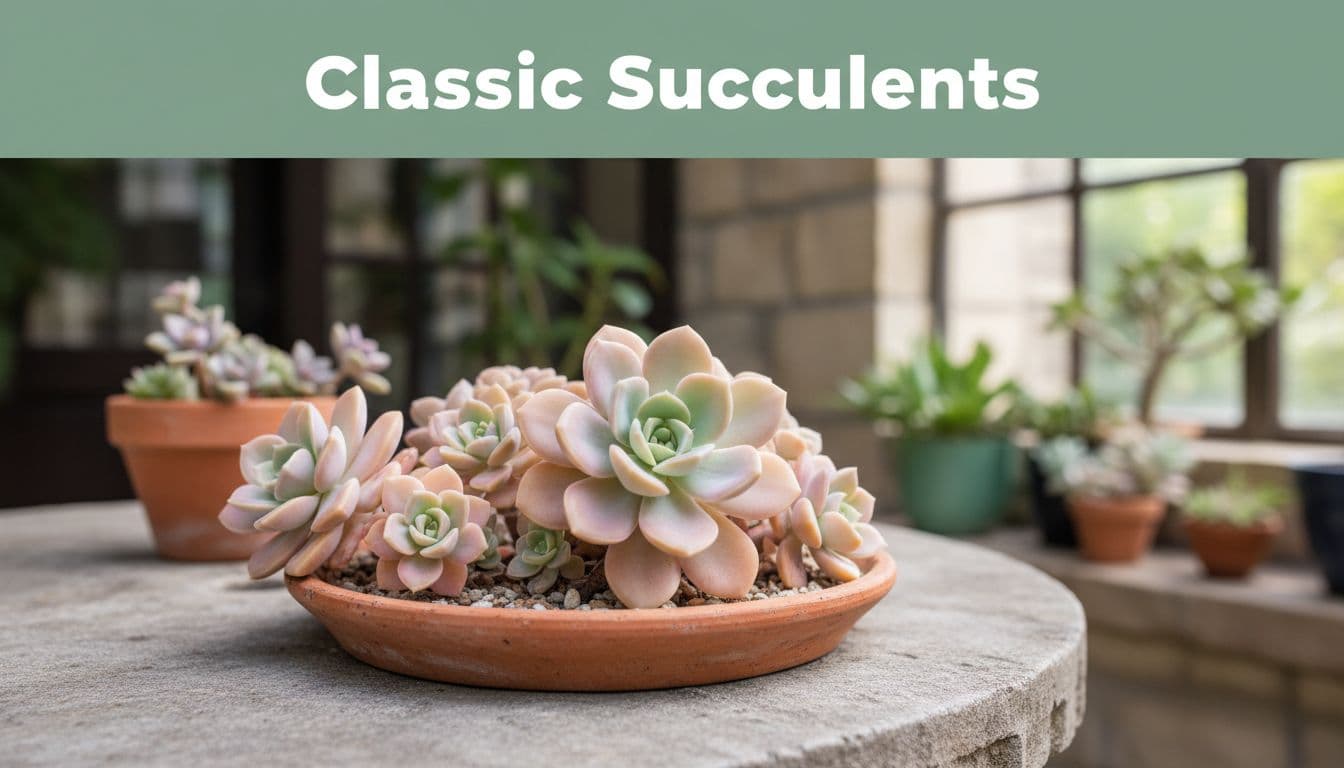
The catch is simple. These plants need stronger light and tighter watering habits. If you’ve got that, they can work well. If not, start with easier picks first, then come back to the showier ones.
Simple care habits that help beginner succulents thrive
The right plant helps, but the setup matters even more. I’ve seen tough succulents decline fast in bad soil and sealed pots.
Use fast-draining soil, pots with drain holes, and a soak-then-dry routine
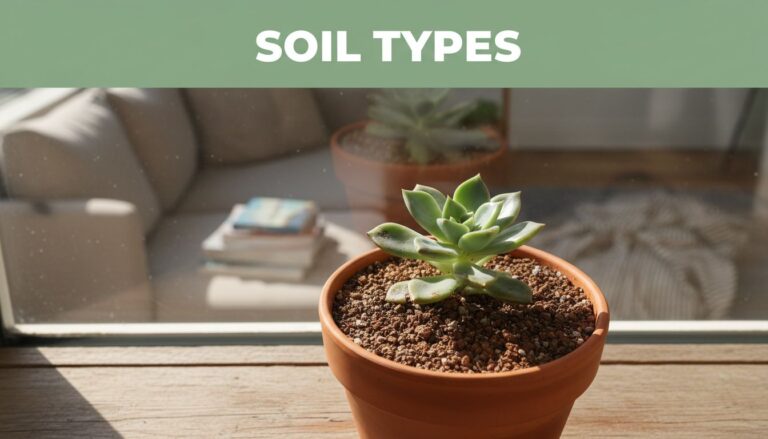
Succulents want air around their roots and soil that dries in a reasonable time. A cactus mix is the easiest option. If you’re unsure what works best, this guide to fast-draining soil for succulents makes it simple.
Drain holes matter. I mean a lot. Decorative pots without drainage are a common reason beginners lose plants. Plain potting soil causes trouble too, because it often stays wet too long.
When you water, soak the soil well. Then stop. Wait until it dries all the way before watering again. If you need a clearer rhythm, here’s a practical guide on how often to water succulents.
Low water needs don’t mean tiny sips on a schedule. Succulents do better with a full drink, then a real dry period.
Watch the leaves before the plant starts to crash
Your plant usually warns you early. You just have to know what to look for.
Wrinkled leaves often mean the plant is thirsty. Mushy, translucent, or collapsing leaves usually point to too much water. Long stretched growth means it wants more light, sometimes a lot more.
Also, watering usually slows down in cooler months. The plant is using less, and the soil stays wet longer. So if your summer routine suddenly stops working in winter, that’s normal. Adjust sooner rather than later.
Final thoughts
The best succulent plants for beginners are the ones that match your home and forgive common mistakes. That’s why haworthia, snake plant, jade, and aloe stay at the top of the list year after year.
Start with one or two, not ten. Give them good light, fast-draining soil, and a pot with a drain hole. Those basics matter more than buying anything rare, trendy, or expensive.
This post may contain affiliate links. If you make a purchase through these links, I may earn a small commission at no extra cost to you.