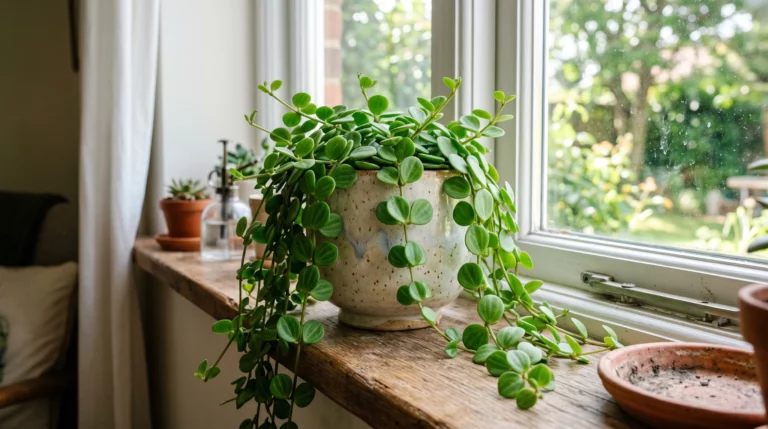

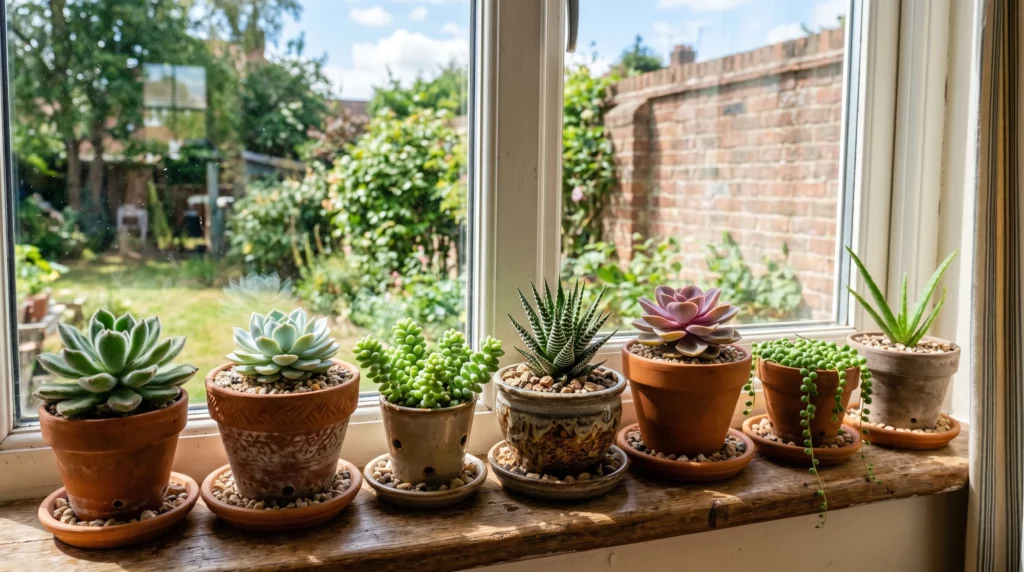
Keeping potted succulents healthy means preventing root rot. It’s one of the most common, yet avoidable, problems faced by anyone who grows these eye-catching plants. If you want your succulents to thrive and keep their next-level cool appearance, a few simple rules can make a big difference. Let’s jump into the practical steps you can follow each time you pot up or water your succulents.
How To Prevent Root Rot In Potted Succulents
Root rot can sneak up on succulents without much warning. Though these plants are tough and thrive in dry conditions, too much water or the wrong soil can quickly cause problems. I’ve learned that figuring out what succulents truly need is the first step in stopping root rot.
Succulents store water in their leaves, so their roots do best in well-draining soil. If the soil stays wet for too long, the roots suffocate; fungi or bacteria may start to grow. This usually causes roots to turn black or mushy, and plants look wilted even when the soil seems moist. If you spot any of these issues, quick action can save your plant.
The pot you choose matters a lot as well. Pots with drainage holes allow excess water to drain, reducing the risk of soggy soil. Always avoid decorative pots without drainage, unless you use them as covers for basic pots with holes in the bottom. Terra cotta pots are a popular choice because they allow moisture to evaporate naturally and help keep roots healthy. Using the right kind of pot is an easy way to boost your plants’ overall well-being.
The watering approach is also really important. I let the soil dry out completely between waterings, which matches what succulents would get in nature. When I do water, I soak the soil thoroughly so roots get what they need, but I never leave water in the bottom tray. Overwatering is one of the top causes of root rot, even for people who have grown other houseplants before. Remember, it’s better to water less often than to risk soggy soil.
Quick Tips for Healthy Succulents
- Use cactus mix or create your own blend with sand, perlite, and potting soil. This ensures quick drainage.
- Pick pots with good drainage. Avoid glass or plastic containers that hold water for too long.
- Water sparingly; add water only when the soil has dried out since the previous watering.
- Place succulents in a bright spot that gets indirect sunlight for several hours each day. This helps them stay vibrant and avoid stretching.
- If you see mushy stems or black roots, trim off the damaged parts. Let the healthy pieces dry out for a day or two before replanting for the best chance at recovery.
- Regularly check in on your plants’ roots and leaves. Picking up on changes early will make it easier to take action before root rot spreads too far.