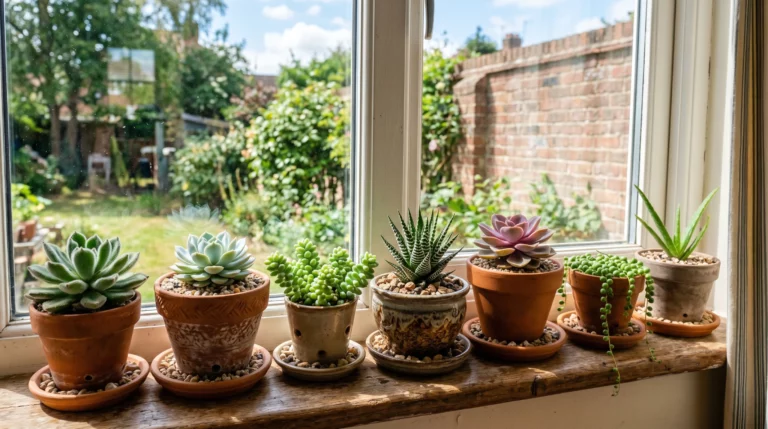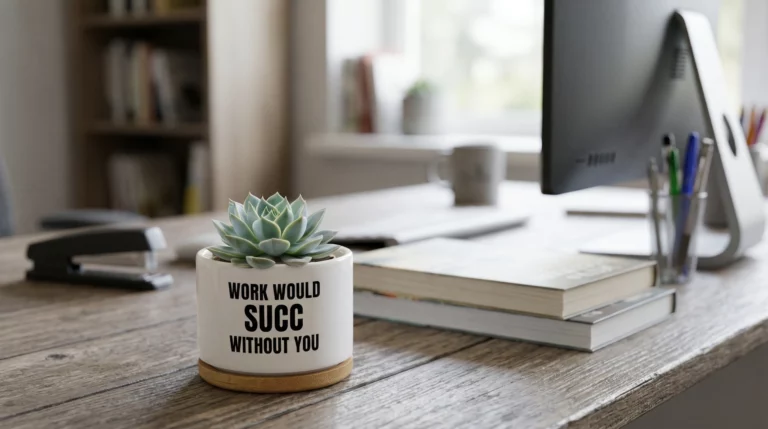

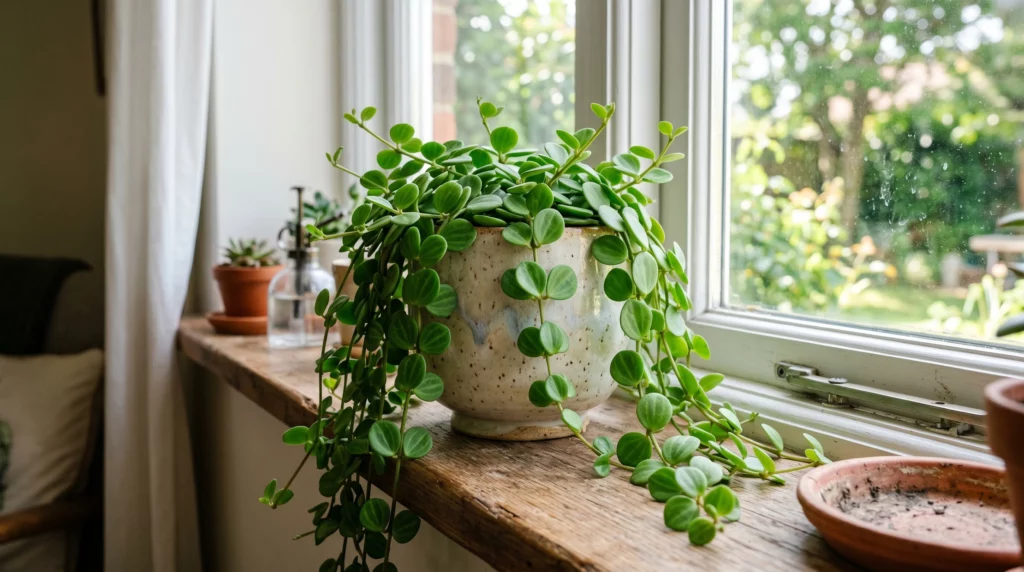
Peperomia hope offers an eye-catching addition to almost any indoor plant collection. I enjoy how its trailing succulent leaves brighten up a window ledge, shelf, or desk. This easy-care plant fits well in most spaces, making it a reliable pick for people who want a pop of green indoors without much fuss. If you’re looking for a plant that looks interesting and helps clean your indoor air, Peperomia hope is a clear choice to consider.
Understanding Peperomia Hope: Features and Background
Peperomia hope brings together good looks and low effort. I find that it’s one of the most forgiving houseplants around. The round, thick leaves store water, giving this peperomia some drought tolerance and helping it survive an irregular watering schedule. The soft green leaves grow along slim, trailing stems that work well in both hanging planters and tabletop pots. Although the plant is sometimes labeled as a succulent, it’s technically an epiphytic perennial, originally found growing on trees in South American rainforests.
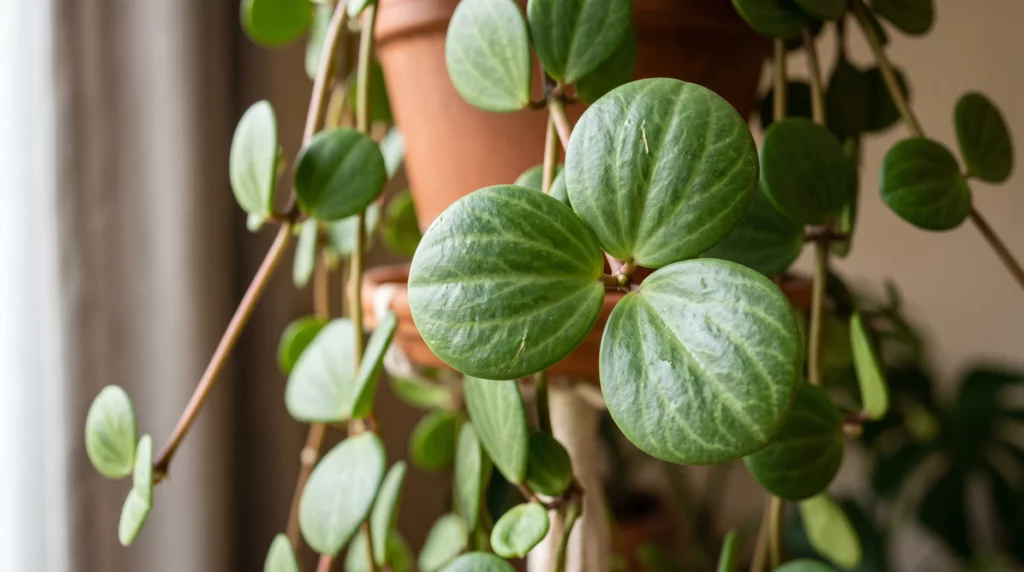
The compact growth of peperomia hope means it doesn’t take up much space, even when it starts to trail. Unlike many fast-growing plants, it keeps a more controlled shape, so I don’t need to prune it very often. The leaves have a lovely pattern: subtle stripes and a waxy surface that catches the eye in bright natural light. Whenever I show visitors my collection, Peperomia hope is often one of the first plants they notice.
Easy Care Tips for Peperomia Hope
Caring for peperomia hope is refreshing because of its simplicity. I’ve noticed that it does best in moderate to bright indirect light, so I keep mine near a window that gets a lot of morning sun. It’s important to shield it from harsh afternoon rays, which can scorch the leaves. If your space is a bit darker, peperomia hope will still survive but may stretch slightly or grow more slowly.
- Watering: I let the top inch of soil dry out before watering again. Overwatering can cause root rot, so I always check before reaching for the watering can.
- Soil: A light, chunky potting mix with some perlite or small bark bits gives the roots plenty of air. I use a general houseplant mix blended with extra perlite.
- Humidity: Even though it’s native to humid forests, I haven’t had trouble keeping peperomia hope happy in average indoor humidity. If your space is very dry, a small humidifier or clustering it near other plants seems to help.
- Fertilizer: I feed my plant every two to three months during the growing season (spring and summer) with a diluted, balanced liquid fertilizer.
With these basics in place, Peperomia hope usually stays healthy and robust. If you’re busy or tend to forget about your plants, this one forgives the occasional care slip. That’s one reason I recommend it so often.
What Makes Peperomia Hope Great for Home and Office
One reason I reach for peperomia hope as a gift or a quick home upgrade is how much it brightens a space’s mood. Sitting next to my laptop, its round green leaves offer a gentle reminder of nature when work gets busy. Live plants, including peperomia hope, release fresh oxygen and, as shown in several studies, including those by NASA, help filter indoor air. I always feel the air is somehow cleaner and my mind is clearer with a few healthy houseplants nearby.
Peperomia hope works beautifully in living rooms, bedrooms, kitchens, and even offices, even in low light. Its size doesn’t overwhelm a desk or small table, and the plant rarely drops messy leaves. For people who want a low-maintenance decorative accent with real benefits, I see peperomia hope as an ideal choice.
Gift Ideas: Sharing Peperomia Hope with Friends and Family
I’ve given peperomia hope as a gift several times because it fits so many settings. Its attractive look, forgiving nature, and useful air-purifying properties hit all the right notes for housewarmings, birthdays, and even weddings. When I wrap one up with a ribbon or pop it into a decorative pot, it’s always well received. If you want to personalize your gift, adding a thoughtful note or a care card goes a long way.
Buying a peperomia online is easy. Many sellers also include a heat pack during colder months to keep the plant safe during shipping, especially in winter. The potting soil stays intact, and I’ve found that plants usually arrive in healthy condition, meaning the recipient can enjoy it straight away.
Common Questions About Peperomia Hope
Answering a few frequently asked questions helps first-time peperomia owners get a smooth start.
How often should I water Peperomia Hope?
I water when the top inch of soil feels dry. In winter, this might be every two weeks, while summertime usually calls for more frequent watering, sometimes every week. Checking the soil first helps prevent overwatering.
Can Peperomia Hope grow in low light?
It will survive in lower light, but it looks its best in bright, indirect sunlight. Growth slows if the spot is too dark. If you’re working with low light, try using an LED grow light for a boost.
Does Peperomia Hope purify indoor air?
Yes, it helps clean indoor air by filtering out some common toxins and increasing humidity. No single plant will completely purify the air, but adding several healthy houseplants can improve the feel of an indoor space over time.
How do I know if my Peperomia Hope needs repotting?
When roots start coming out of the drainage holes, or the soil dries out unusually fast, I repot into the next size up. This is usually needed every couple of years. I try not to jump to a much bigger pot, as that can cause overwatering issues.
Is Peperomia Hope toxic to pets?
Peperomia Hope is considered nontoxic to cats and dogs, so I feel safe keeping it where pets roam. It’s still smart to check specific varieties if you have concerns, but Peperomia Hope should not cause major problems if a curious pet takes a nibble.
Real-Life Uses for Peperomia Hope
I’ve seen peperomia hope put to work in all kinds of creative and practical ways. A few ideas that I’ve tried or come across include:
- Office Decor: Setting a small peperomia hope next to the computer brings a calm vibe and softens a sterile desk space.
- Wedding Centerpieces: I once used several potted peperomia hopes as table accents at a small wedding; they lasted far longer than cut flowers.
- Kids’ Rooms: Because they’re nontoxic and low-maintenance, they make a friendly way to get kids interested in plant care.
In every case, the plant’s ability to grow slowly and stay tidy adds to its practical appeal. I love how the thick, rounded leaves don’t make much mess, and the stems trail gently instead of sprawling out of control. This makes it easy to keep Peperomia hope looking neat, even in a busy home or shared office space.
What to Watch Out For: Simple Troubleshooting
Even with an easycare plant like peperomia hope, I sometimes run into small problems.
- Yellow Leaves: Usually a sign of overwatering. I check the soil moisture before adding water and switch to a lighter soil if drainage is poor.
- Leaf Drop: Peperomia hope can drop leaves if it’s moving from one environment to another. After a move or change in location, it usually bounces back if given stable conditions.
- Pests: Occasionally, I spot a stray fungus gnat or mealybug. A quick wipe of the leaves and a switch to drier soil take care of most issues.
Most problems fade with minor adjustments. The plant’s ability to forgive a missed watering or a drafty window helps me keep it happy and healthy through each season. If your peperomia hope ever starts to look tired with droopy leaves, just give it a quick once-over to check for changes in temperature, watering habits, or pests—it normally rebounds easily with a little care.
Why I Think Peperomia Hope is Worth Adding
After growing and gifting many kinds of houseplants, Peperomia hope stands out to me because it’s attractive, uncomplicated, pet-safe, and genuinely helps create a more pleasant indoor space. The way it thrives without demanding constant attention fits perfectly with busy lifestyles. If you want a plant that’s fuss-free, steps up your decor, and adds a boost to your indoor air, Peperomia hope deserves a spot on your shelf or desk. Whether for yourself or as a thoughtful gift for someone else, this plant delivers both beauty and practicality for anyone looking to embrace more greenery at home or in the office.