
Mealybug Control Methods
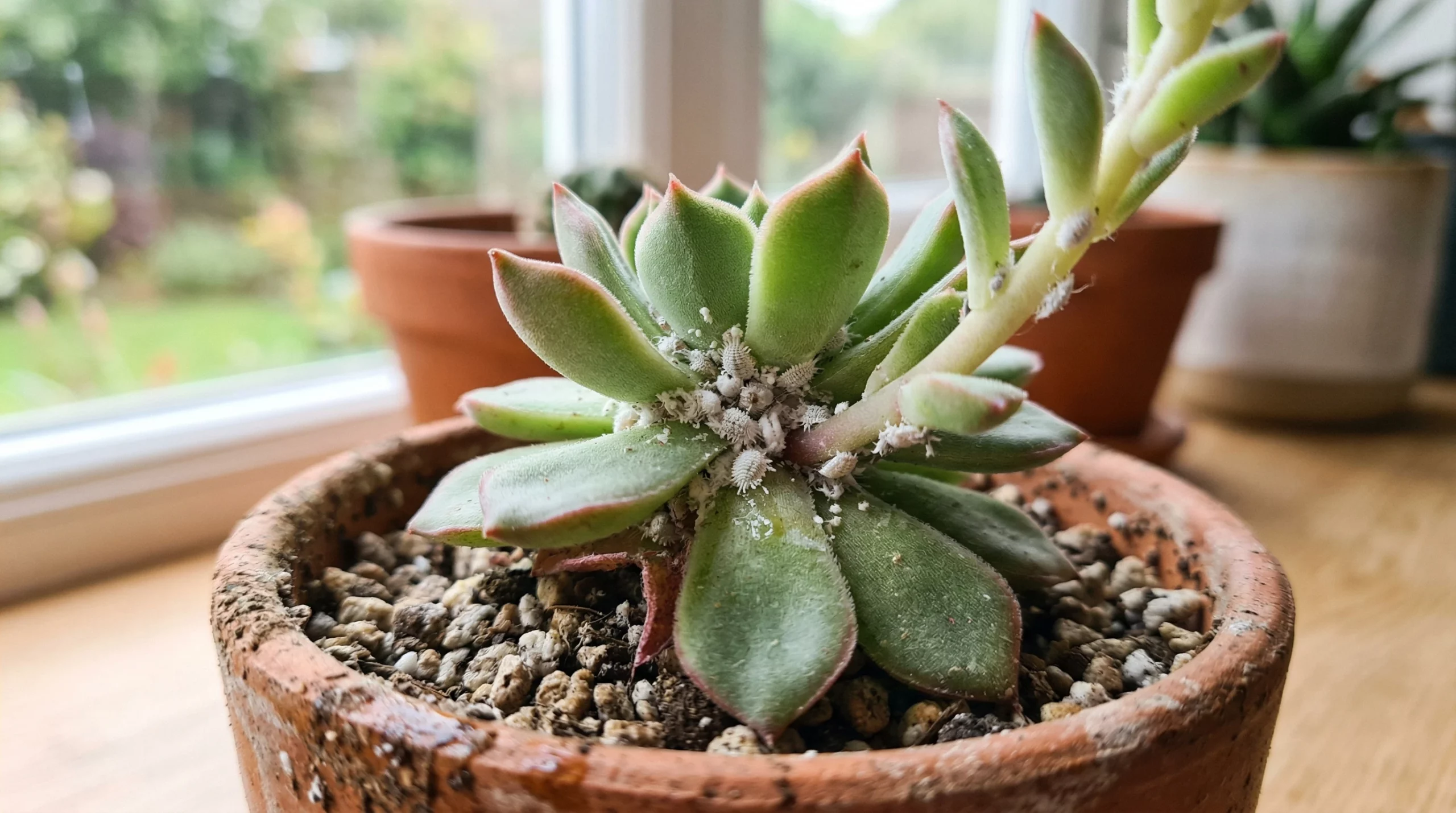
Those little white cottony clumps on your succulent are usually mealybugs, and they love to hide in the worst spots. You’ll often see them tucked in leaf joints, along stems, near the soil line, or, in tougher cases, down on the roots.
They’re frustrating because they don’t sit out in the open like a big obvious pest. Their waxy coating protects them, eggs can hatch after your first treatment, and a plant that looks clean today can look infested again next week. The good news is that the best mealybug control methods are simple and practical. Mild cases are often fixable at home. Heavy ones may need pruning, repotting, or tossing the plant before the whole collection gets hit.
How do you get rid of mealybugs on succulents fast?
Isolate the succulent right away, then dab visible mealybugs with a cotton swab dipped in 70% isopropyl alcohol. Check leaf joints, stems, and the soil line carefully, because missing even a few bugs can lead to another round a few days later.
Repeat the treatment every 7 to 10 days until no new white cottony spots appear. If the plant keeps declining or you suspect root mealybugs, unpot it, replace the soil, and clean the pot before repotting.
Fastest Control Methods
When you first spot mealybugs, speed matters. They spread easily when plants touch, and they often leave clues before you see the bugs themselves, sticky honeydew, black sooty mold, yellowing, weak growth, and that white fluff in tight spots.
Isolate the plant and check every hiding spot
First, move the plant away from your other succulents. Give it space so leaves and pots aren’t touching anything nearby. That one step can stop a small problem from turning into a shelf-wide mess.
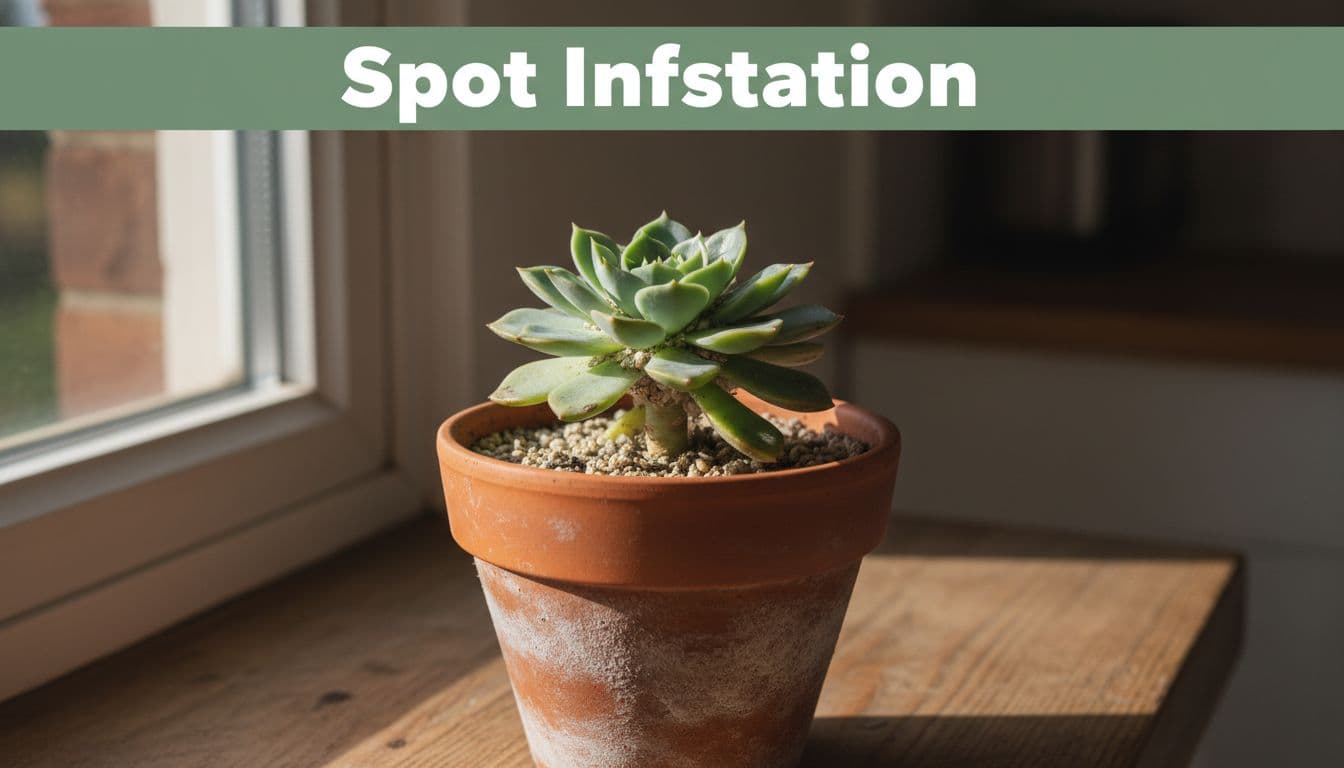
Then inspect the whole plant slowly. Look in leaf folds, stem joints, crowns, under leaves, around fresh growth, and right along the pot rim. Mealybugs like tucked-away places where sprays miss them.
Root mealybugs are harder to spot, but they leave hints. You may notice yellowing, slow decline, wilted growth, or white cottony bits near drainage holes. Also check nearby trays, stakes, cachepots, and tools, because mealybugs can hitchhike more easily than people think.
Use rubbing alcohol to kill visible mealybugs on contact
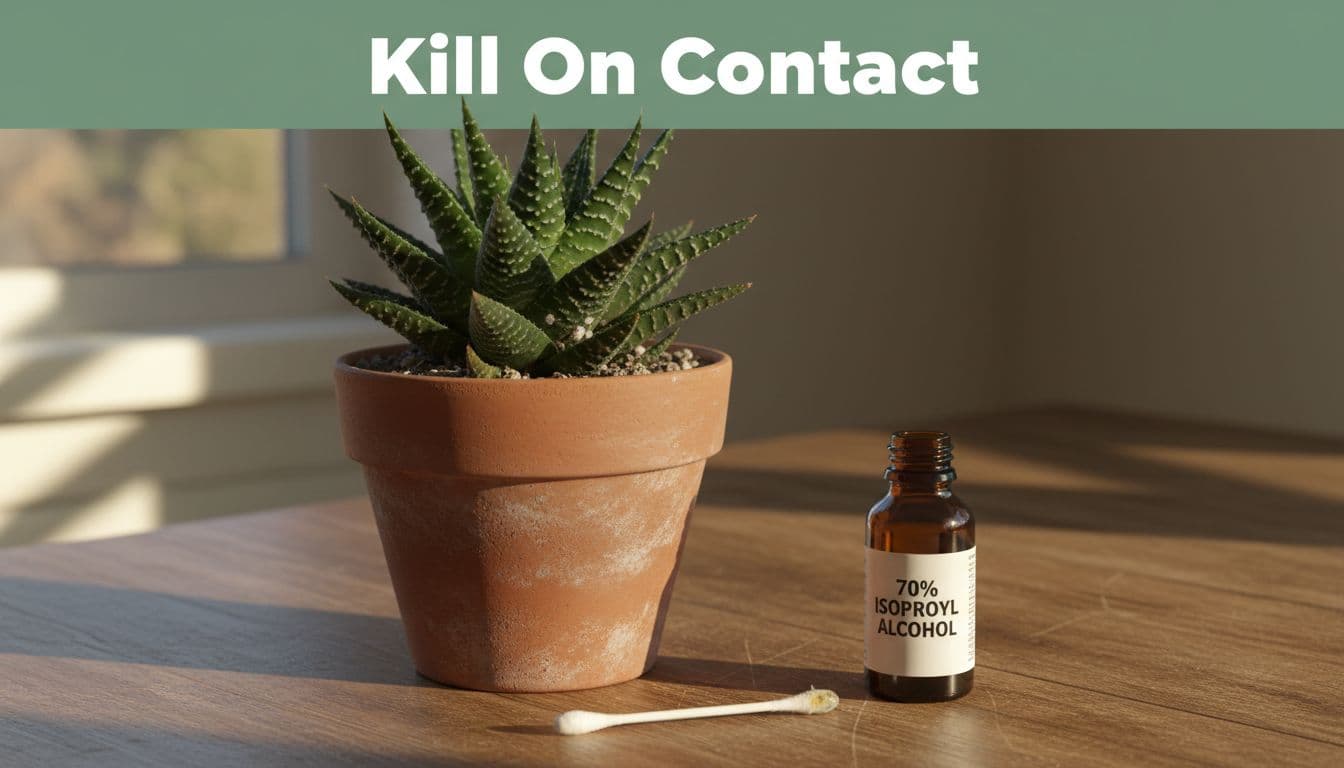
- Isolate: Move the plant away from others.
- Dip & Touch: Use a cotton swab dipped in 70% isopropyl alcohol and touch visible bugs directly.
- Test First: Try it on a small area and wait a day to ensure the leaves don’t burn.
- Repeat: Apply every 7 to 10 days until the white fluff is gone.
One spray rarely solves a mealybug problem. The repeat check is what makes the difference.
Use the right follow-up method for light, moderate, or severe infestations
This is where many people lose ground. Mealybugs wedge themselves into tight spots, so contact treatments often miss part of the colony. In other words, follow-up matters more than spraying once.
Light Infestations: Spraying, Pruning, and Wiping
If the plant is sturdy, a firm spray of water can knock a lot of mealybugs loose. A sink sprayer works indoors, and a hose works outdoors. You may need to repeat it every few days.
For a light infestation, wiping or hand removal is often enough. That’s especially true on thicker-leaved succulents where you can clearly see each cluster. Go slow and check the same plant again a few days later.
If one stem or a few leaves are badly covered, prune them off if the plant can handle it. Then bag that material and throw it out right away. Mealybugs can stay alive on cut pieces while they still hold moisture, so don’t leave trimmings on your potting bench.
When insecticidal soap or horticultural oil makes sense
If the bugs keep coming back, insecticidal soap, horticultural oil, or neem-based sprays can help reduce the numbers. These work best on younger insects, because young mealybugs have less wax protecting them.
The catch is simple. The spray has to reach the bugs. If you miss the crown, leaf bases, or stem joints, the treatment won’t do much. That’s why several rounds are usually needed.
Test any spray on a small part of the plant first. Some succulents are more sensitive than labels suggest. Also, broad-spectrum insecticides are usually a poor first choice. They often miss protected mealybugs anyway, and outdoors they can wipe out the helpful insects that keep outbreaks in check.
What to do about root mealybugs and plants that keep getting reinfested
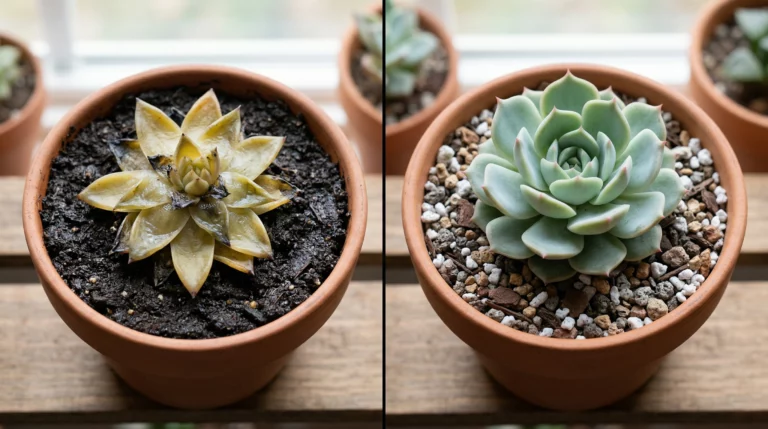
Root mealybugs are a different headache. You may only notice them when the plant looks weak for no clear reason. Common signs include yellow leaves, wilting, stunting, fewer blooms, and cottony material near drainage holes. Sometimes the truth only shows up after you unpot the plant and inspect the roots.
Start by removing the plant from the pot. Throw out the old soil, clean the pot well, and trim badly affected roots if needed. Then repot into a fresh fast-draining succulent soil mix so the roots can recover in a cleaner setup.

If the infestation is severe, throwing the plant away may be the most practical choice. That sounds harsh, but sometimes it saves the rest of the collection. Some systemic products can reduce mealybug numbers, yet they’re less reliable on mealybugs than on other sap-sucking pests. Use them only as a last resort, and skip them on edible plants.
Prevent mealybugs from coming back
Once you’ve dealt with them, the goal shifts from treatment to habit. A few small changes make repeat infestations much less likely.
Quarantine new plants and avoid the care mistakes mealybugs love
Check new plants before they come inside, not after. If possible, keep them separate for at least a week, and longer if you’ve had pest trouble before. Watch under leaves, around growth points, and near the soil line.
Also, don’t push soft, lush growth with too much nitrogen fertilizer. Mealybugs love tender new growth. Better airflow, less crowding, and quick weekly checks help a lot too.
Protect helpful insects outdoors and monitor after treatment
Outside, natural enemies often do more work than we realize. Lady beetles, lacewings, spiders, and tiny parasitic wasps all feed on mealybugs. Because of that, broad-spectrum sprays can backfire.
Ants are another piece of the puzzle. They protect mealybugs so they can keep feeding on the honeydew. So if you control ants, mealybug control often gets easier.
Keep checking the plant about once a week for a while, even after it looks clean. Mealybugs can linger, and eggs or new crawlers may show up later, once you think the problem is gone.
Dealing with mealybugs is frustrating, especially when small issues turn into big ones. That is why the core plan works: keep the plant isolated, check it closely, treat right away, repeat as needed, and then repot or remove it if the infestation keeps coming back.
Don’t wait for the white fluff to spread. A quick response is usually the difference between saving one plant and dealing with a full collection outbreak.
If you catch a few bugs today, fix them now. It takes less time than you think, and it saves you headaches later.
This post may contain affiliate links. If you make a purchase through these links, I may earn a small commission at no extra cost to you.